
BACKGROUND
Making summer in November
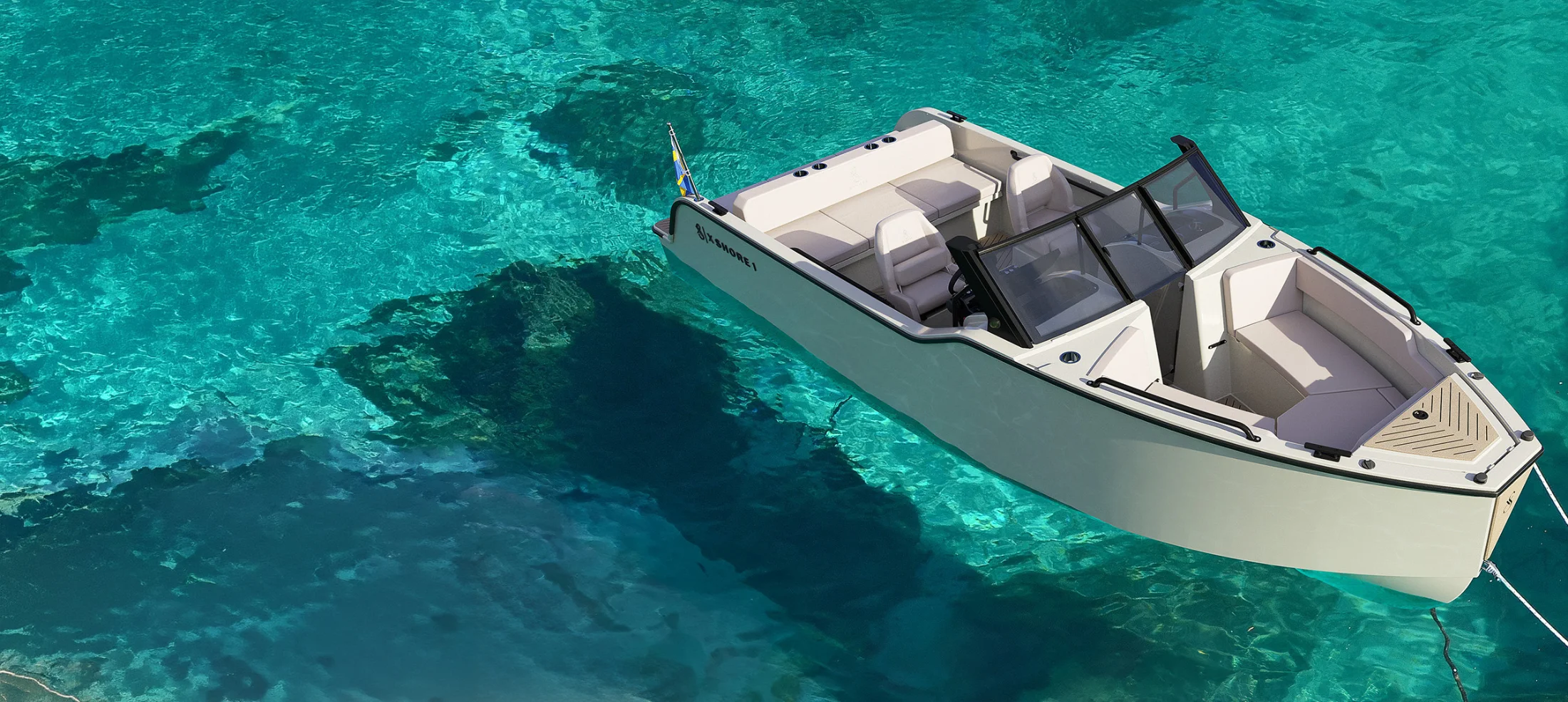
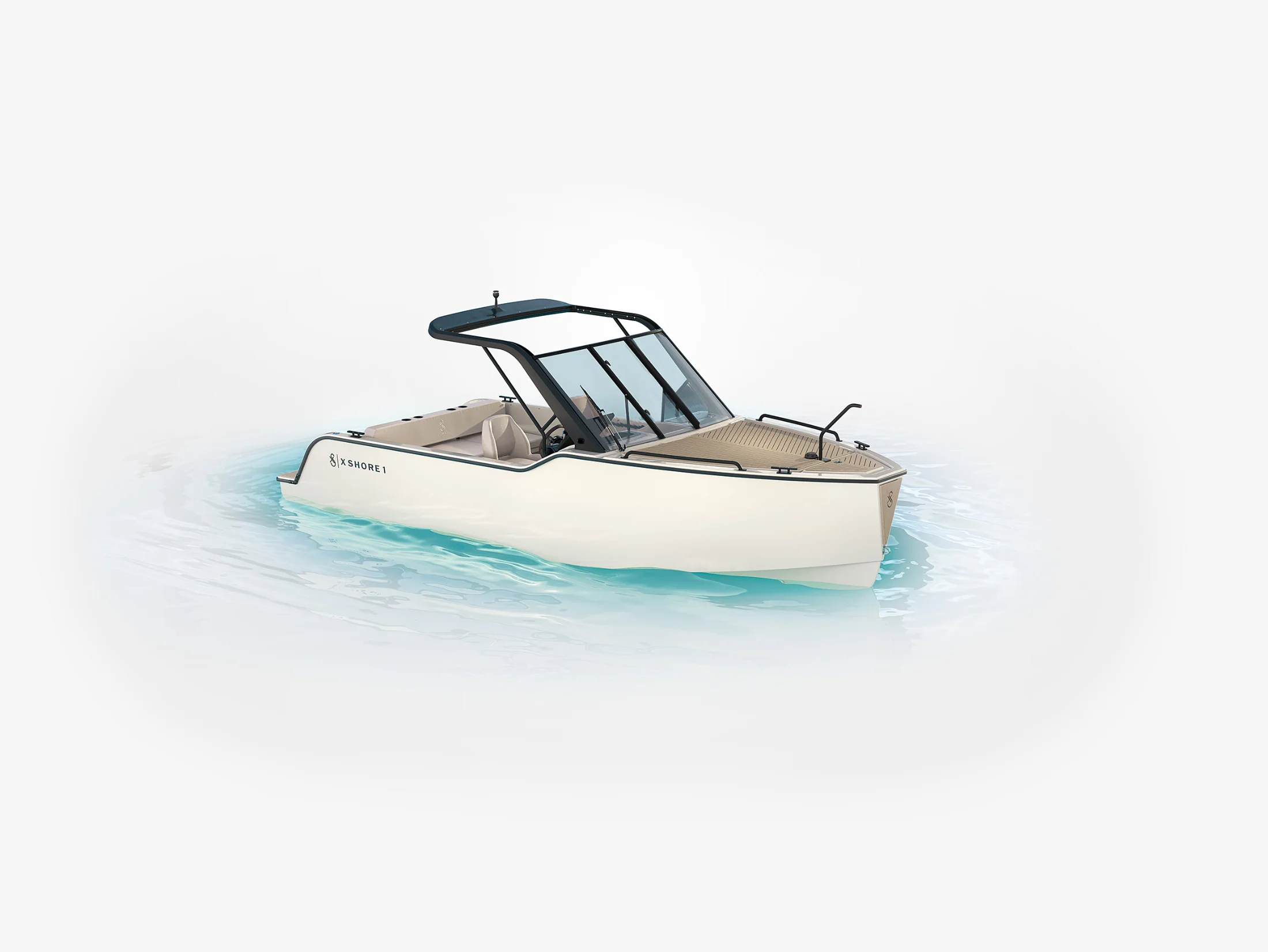
Open water, Scandinavian light and carefully depicted materials are part of how X Shore shows its electric boats. The new Bowrider was due to launch in November, when the chances of shooting a Swedish summer day are slim. We built the setting digitally. The images needed to show the design accurately and feel at home alongside X Shore’s existing imagery.
THE PROCESS
From engineering files to product imagery
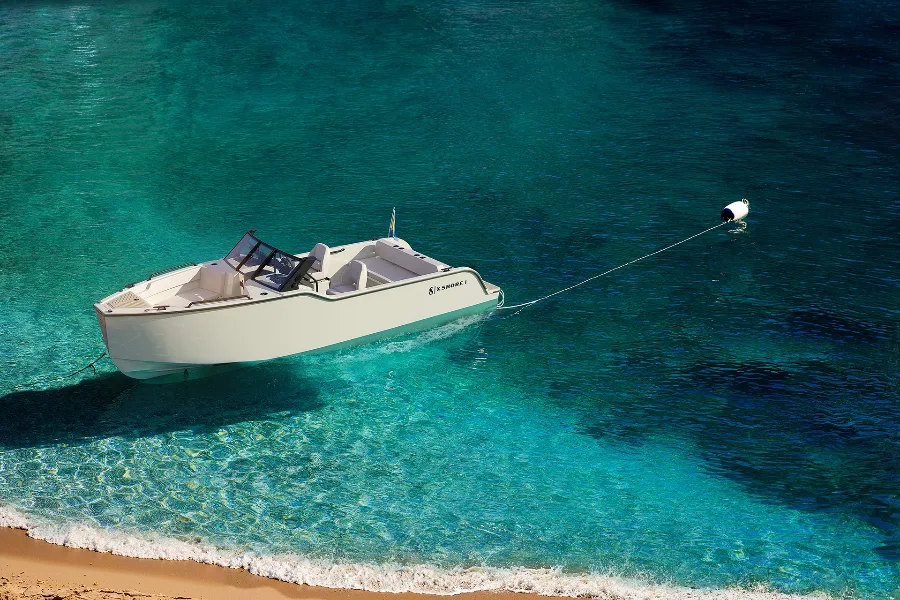
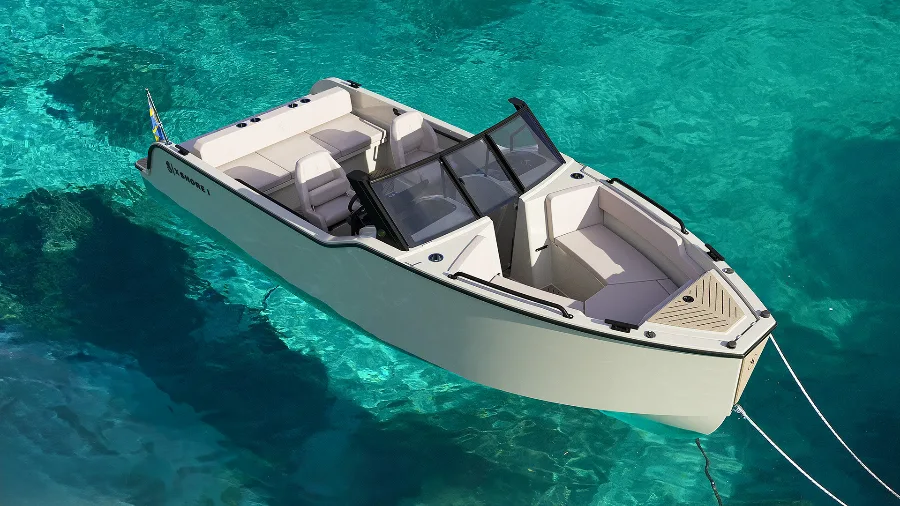
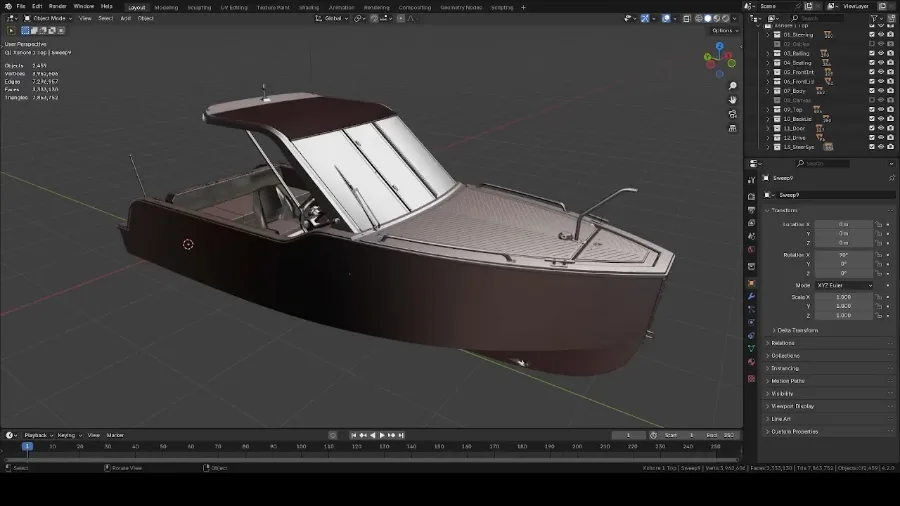
We began by documenting the materials and details with X Shore. The CAD files gave us the boat’s shape. Turning that data into product images meant working on geometry, surfaces, textures, lighting and composition. The details had to match the real boat, while the image needed enough space to show its lines and proportions. A viewer should be able to picture the boat on the water as well as see how it’s built.
THE CHALLENGE
Getting the waterline right
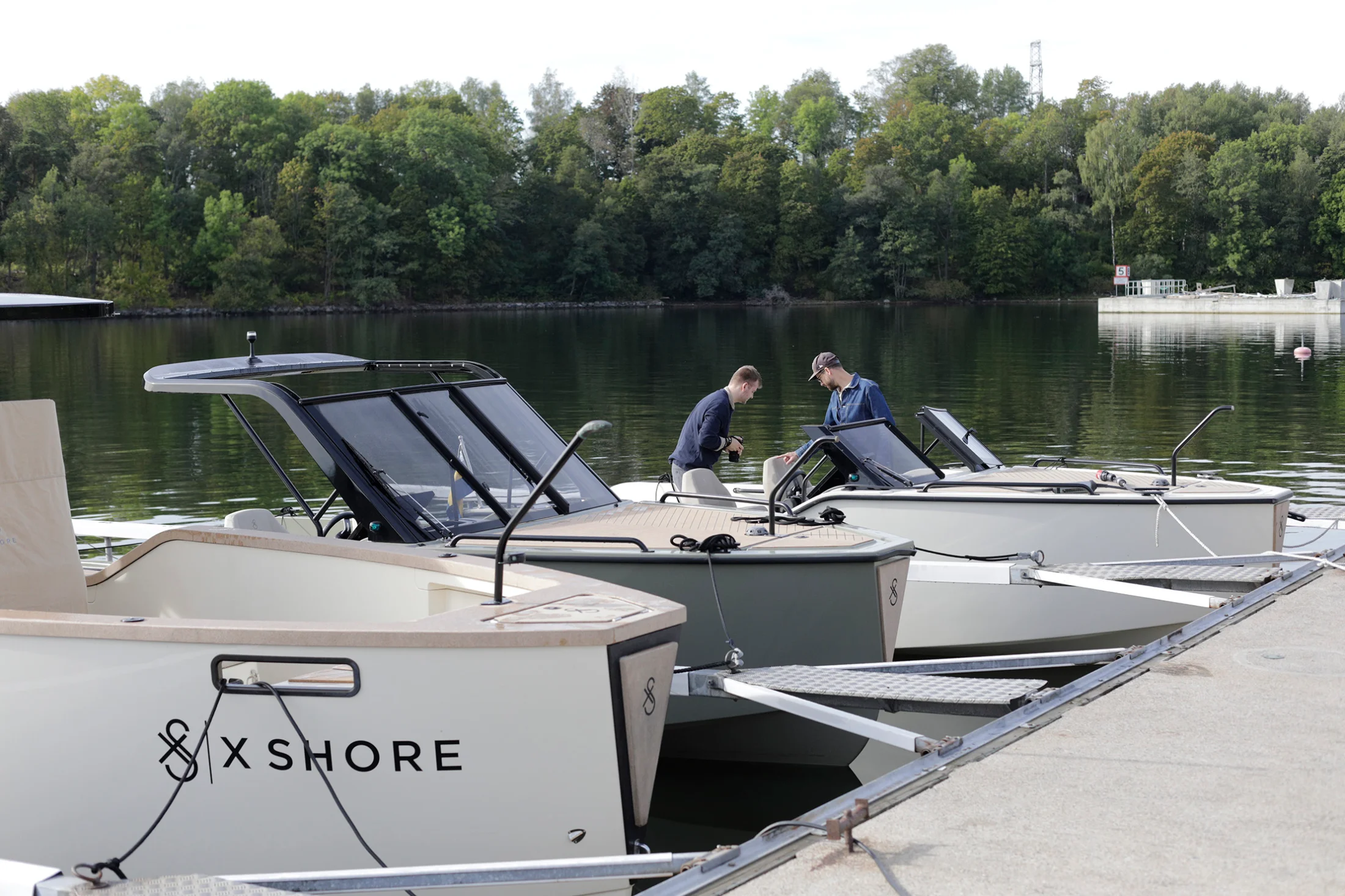
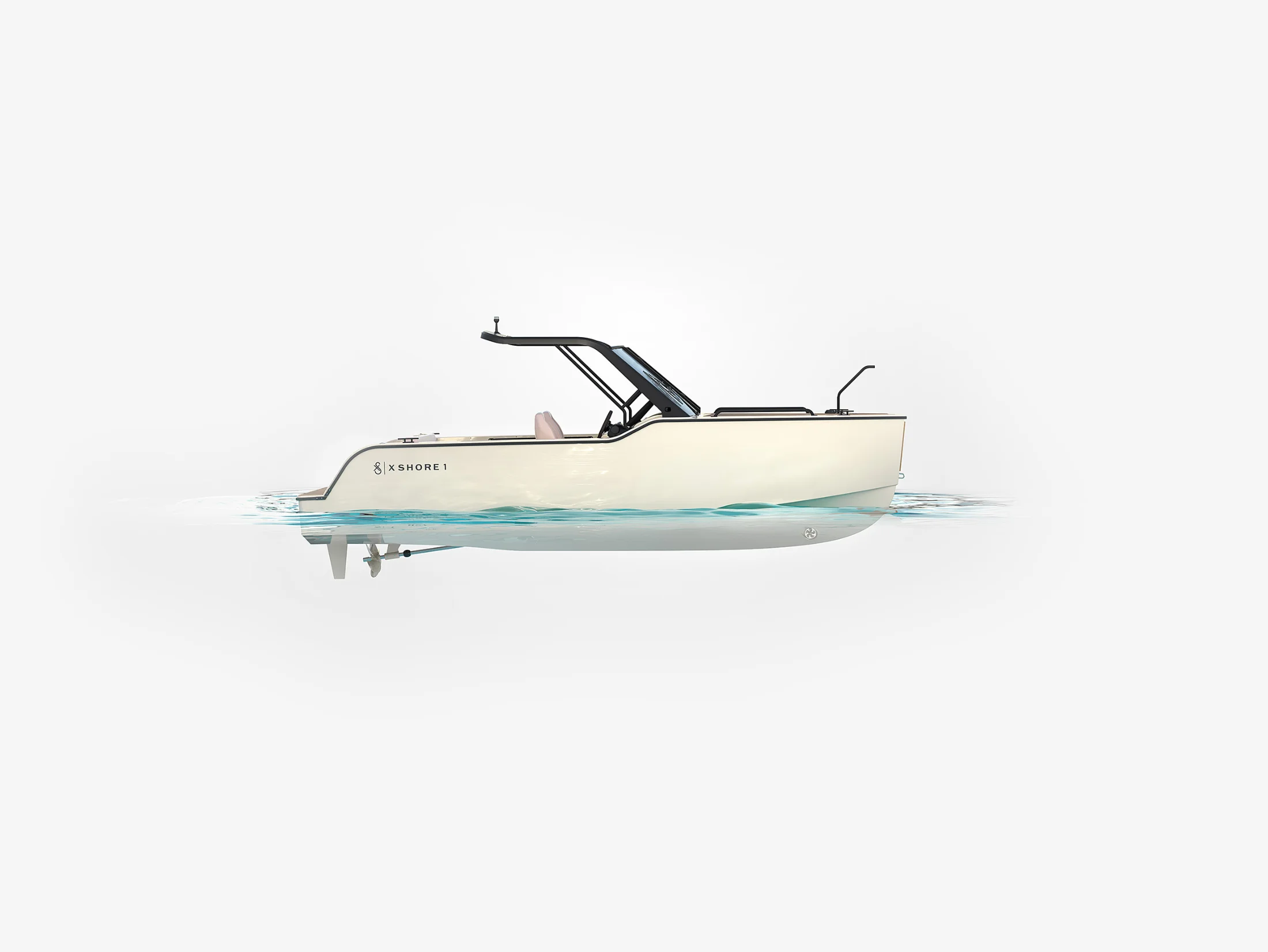
A hull looks different on land and on the water. How much of it sits above the surface changes the way you read the shape. The Bowrider’s waterline had to look right without drawing attention to itself. The same care went into the moving scenes. People, light, water and digital objects had to make sense together.
THE SOLUTION
Giving each technique a job
For one moving sequence, we combined CAD-based 3D, rendering and Photoshop with generative AI. AI helped create the surroundings and water. The boat’s construction and details came from its actual product data. QTE developed X Shore’s website and boat configurator as part of the wider project. We handled product visualisation and gave X Shore imagery with the feel of a summer launch, even in November.