

THE SOLUTION
First, people needed to see the technology at work
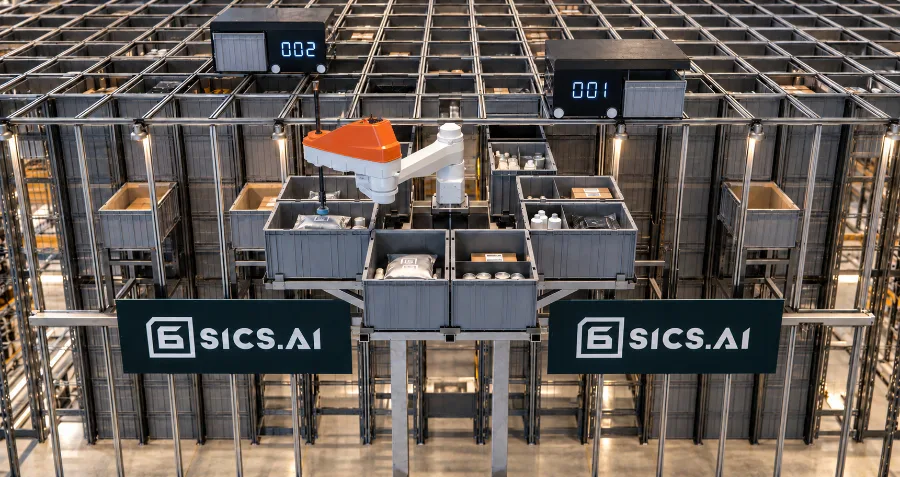
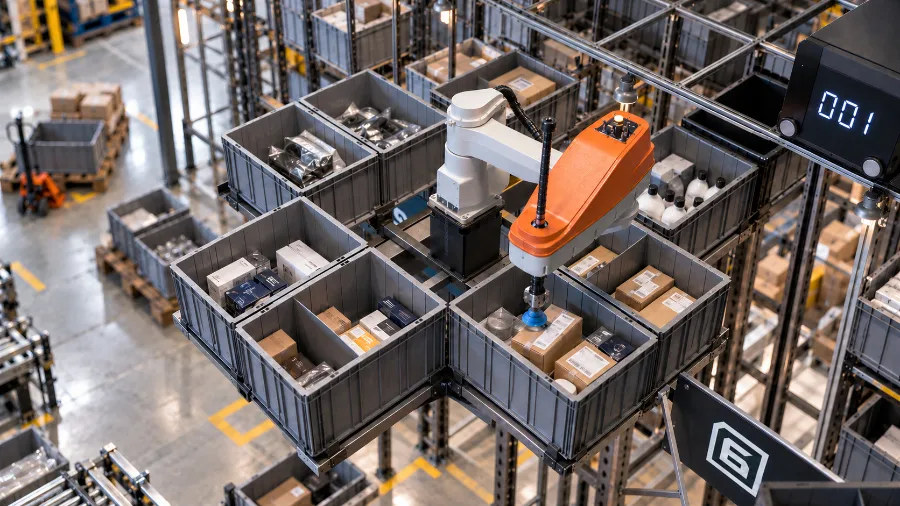
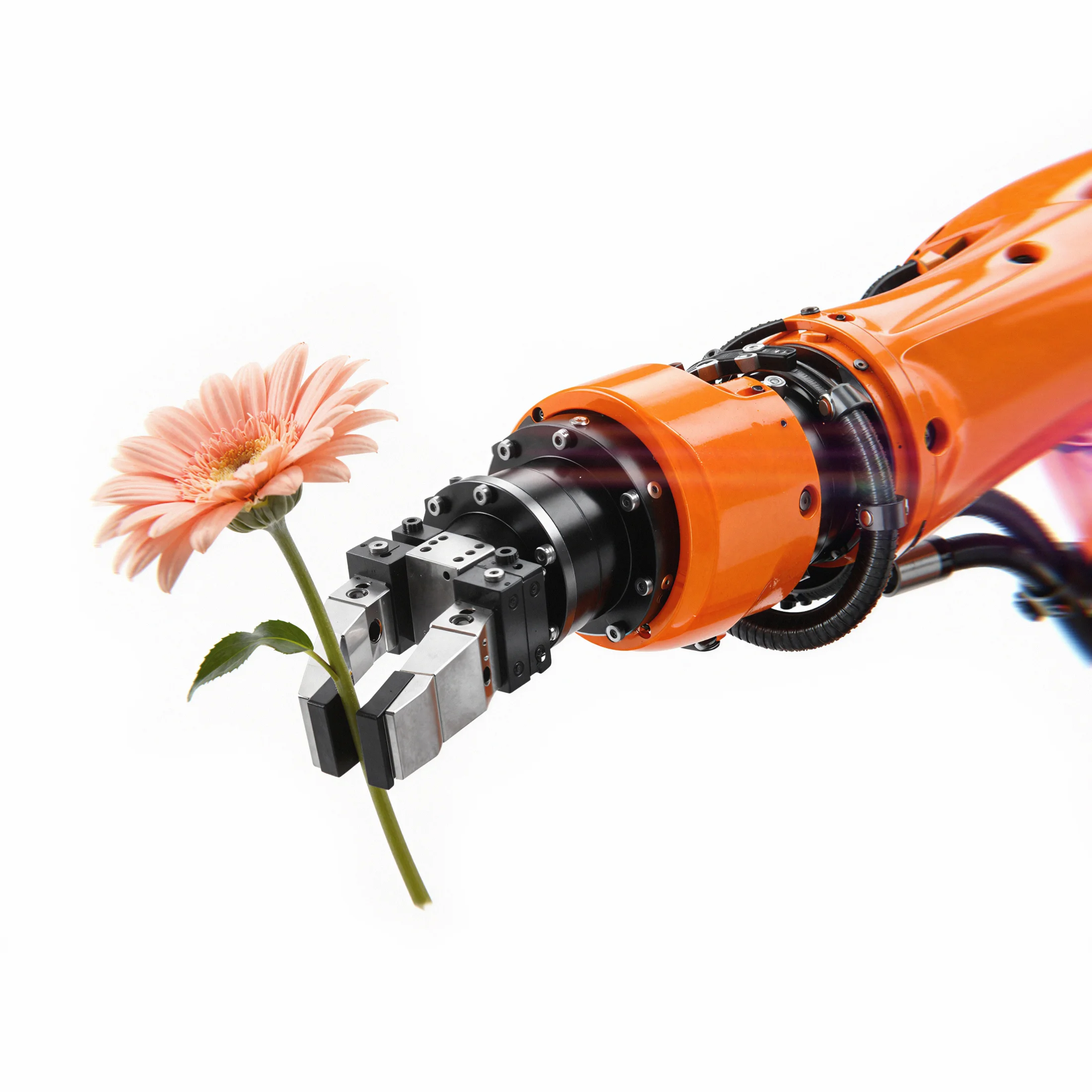
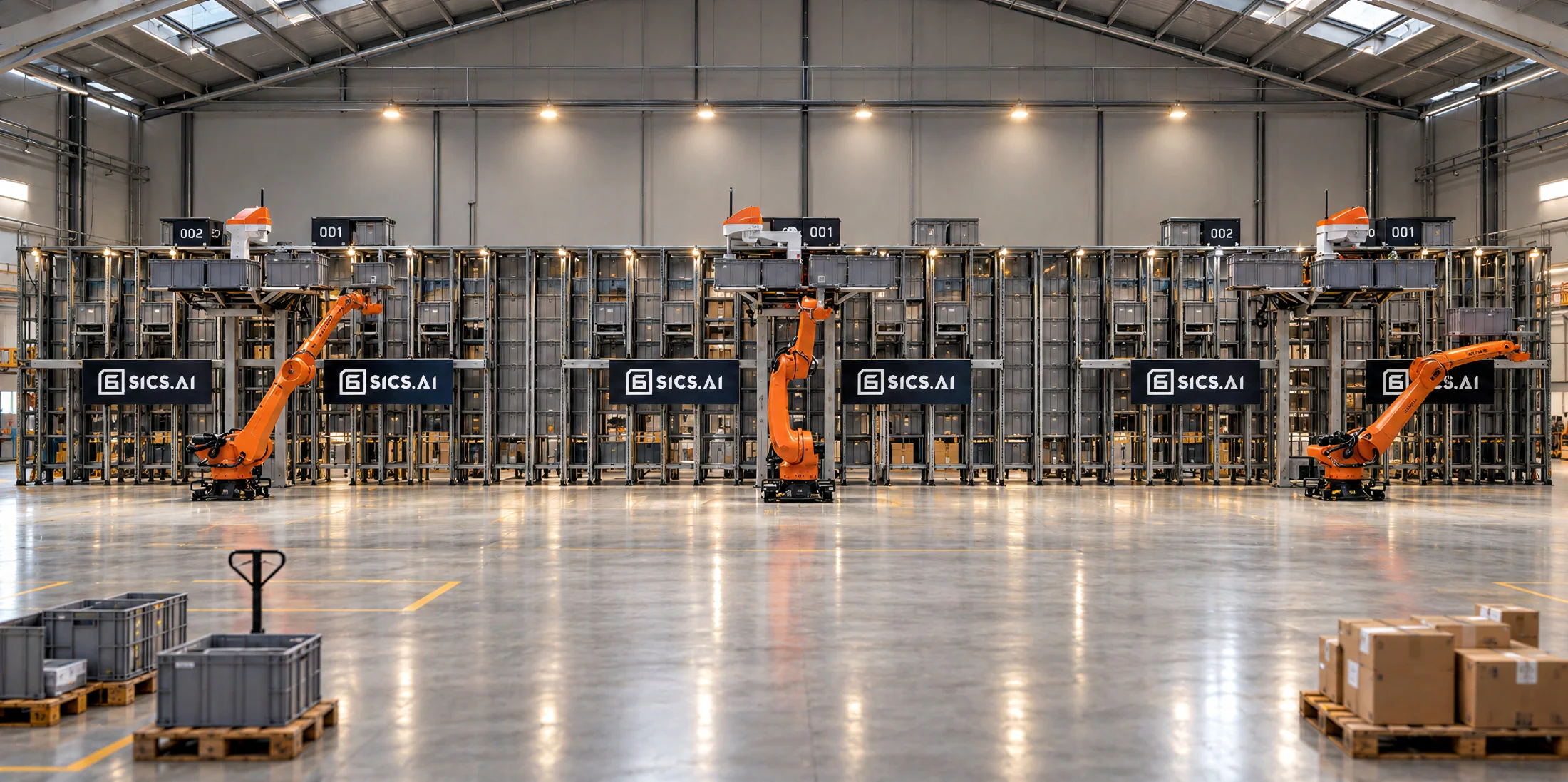
When much of the value lies in models, software and how a system behaves, a technical description can only go so far. We began by creating 3D environments, animation and film to show robotics and automated picking in action. SIG One was a good example. By placing it in a recognisable setting and showing how it moved, the film made a complex idea easier to follow.
THE PROCESS
From a product to a bigger story
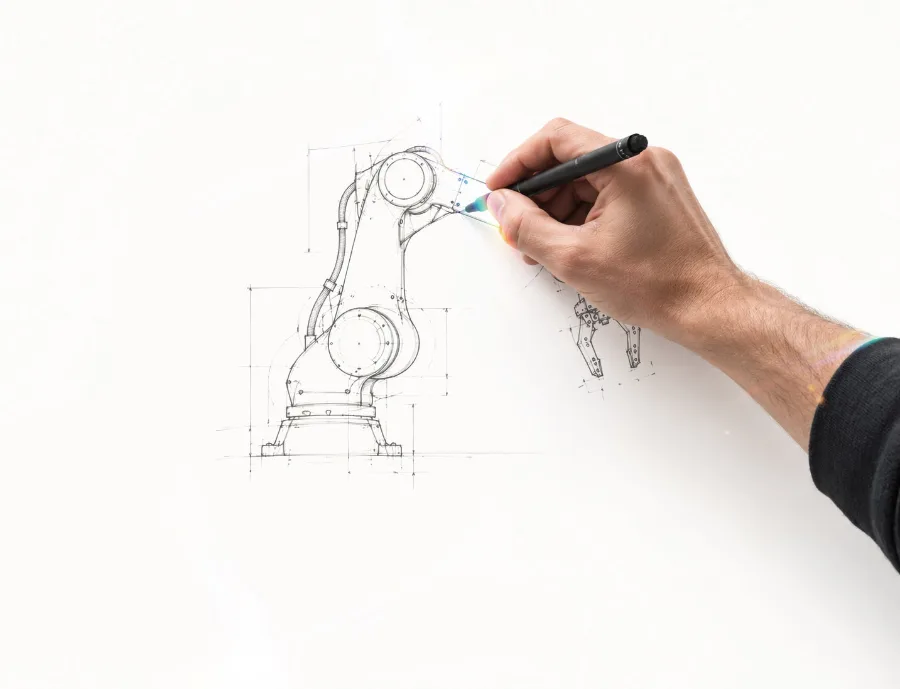
The work grew to include presentations and keynotes that put individual products in context. The question changed from how to show the robot to how to explain what SICS AI was working towards. We organised the material around the technology, evidence of its commercial use, the company’s long-term direction and the questions each audience needed answered.

THE PROCESS
A website built around what visitors need to understand
We then worked on the strategy, narrative, information architecture and design for SICS AI’s new website. We started with the visitor’s questions. What does a prospective customer need to understand? Where will a technical visitor want more detail? What does an investor need to see to understand where the company is today and where it could go? The resulting site structure connects the company’s broader AI story with the technology and evidence of its commercial use.
THE RESULT
One story, with room to go deeper
SICS AI now has a shared visual and narrative structure for its films, presentations and website. Each can move from what a product does to what the company is working towards without losing the thread. The same material can spark interest, explain the technology, build trust and give people a clearer picture of where the company is headed.