From an engineering drawing to a film shot
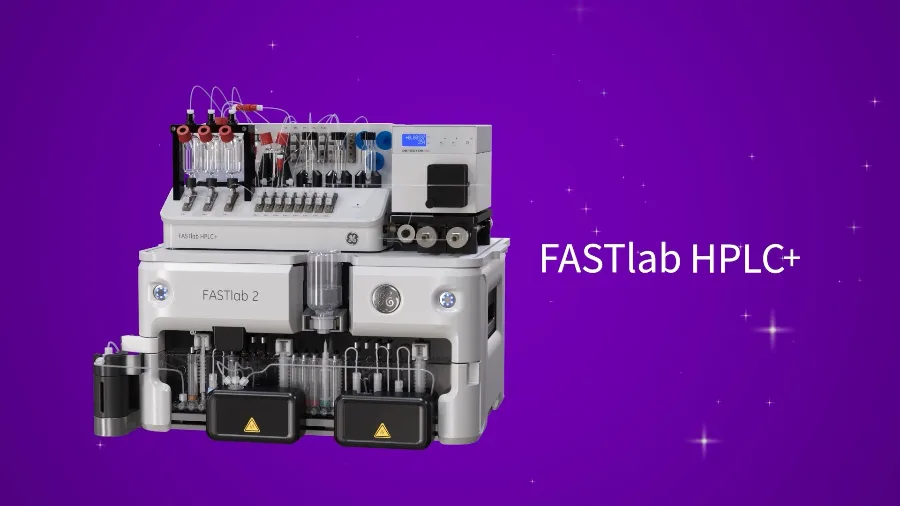
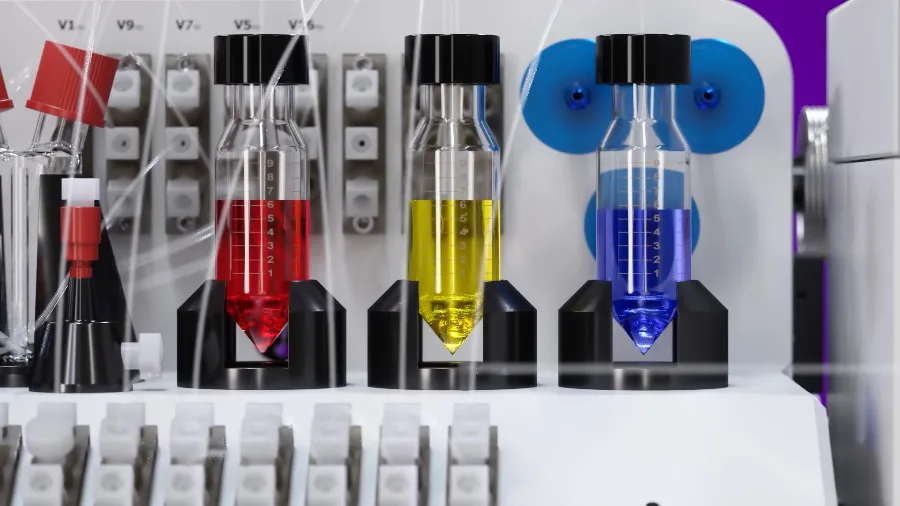
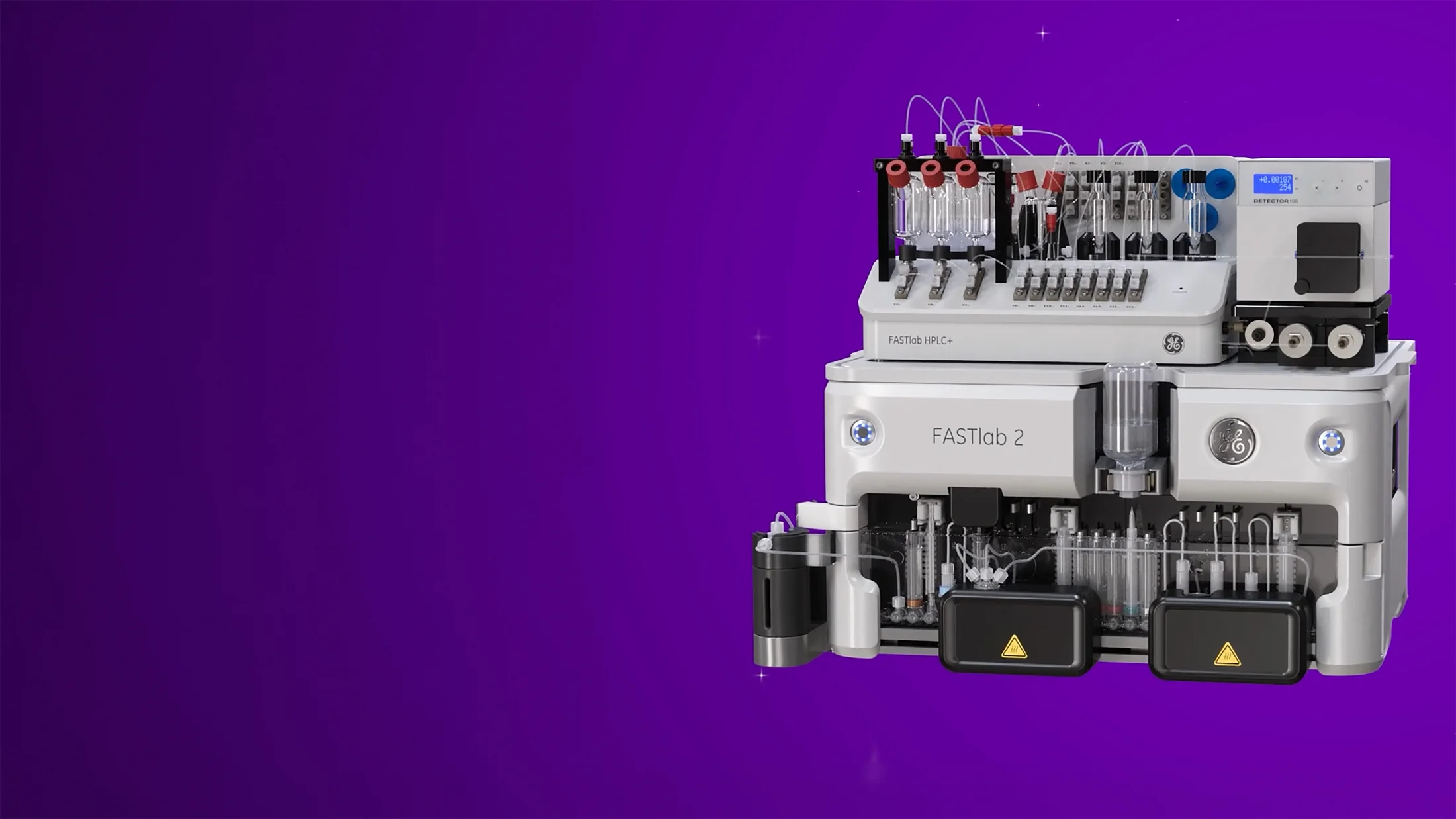
The first film started with the engineers’ CAD files. Animech’s Peter Wiberg turned them into 3D models whose surfaces, materials and textures could be worked on for the film. At Swedish Frames, Jonatan Kruse planned the camera moves. The models had to hold up at the planned angles and in close-up. Light, material transitions and the details the camera chose to show all helped make the device feel real.
Lighting a digital set
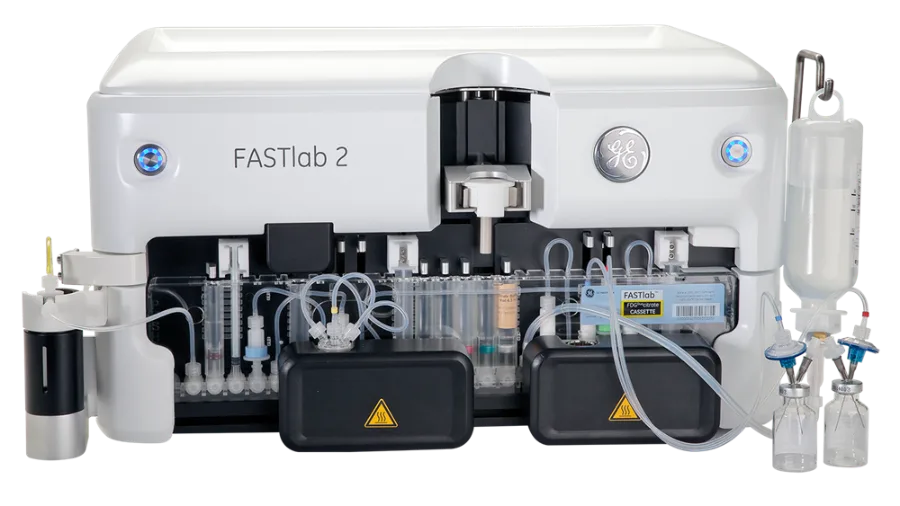
Kruse and Wiberg worked together on lighting and camera moves in 3D. The digital environment came with surprises of its own: shadows and reflections could behave differently from what they were used to on set. Once the look was in place, the finished sequences still had to render. The team expected the render queue to take several days.
A second film in the same campaign world
For the second film, the starting point was GE Healthcare’s print campaign. We combined filmed scenes with typography, stills and 2D animation in After Effects. The edit, image choices, type and animation had to tell a story in motion while still feeling part of the same campaign.
Keeping the details accurate
Both films needed a strong visual approach and careful attention to the devices and solutions they presented. GE Healthcare approved both productions. Different techniques gave each film its own character, while both made the technology clear without glossing over the details.